
Audi Wins 2025 World Car Design Award

The automotive industry is continually evolving, with design serving as a critical distinguishing factor among leading manufacturers. Audi, known for its innovative approach and commitment to excellence, has once again set a benchmark by clinching the prestigious 2025 World Car Design Award. This accolade underscores Audi’s prowess in harmonizing aesthetic appeal with advanced engineering, cementing its reputation as a frontrunner in the realm of automotive design.
Winning this award is not merely a testament to Audi’s stylistic achievements but reflects a deeper commitment to sustainable and user-centric design principles. The company’s focus on electrification and sustainability resonates in its latest models, which exhibit not only stunning visuals but also incorporate cutting-edge technologies aimed at enhancing the driving experience. By prioritizing both form and function, Audi demonstrates a profound understanding of contemporary consumer needs and environmental responsibilities.
As we delve deeper into the specifics of Audi’s design philosophy and the vehicles that contributed to this victory, it becomes clear that the brand is not only shaping the future of automotive aesthetics but also influencing a broader dialogue about the role of design in innovation and environmental stewardship within the industry.
Key Features Behind Audi’s Award-Winning Design
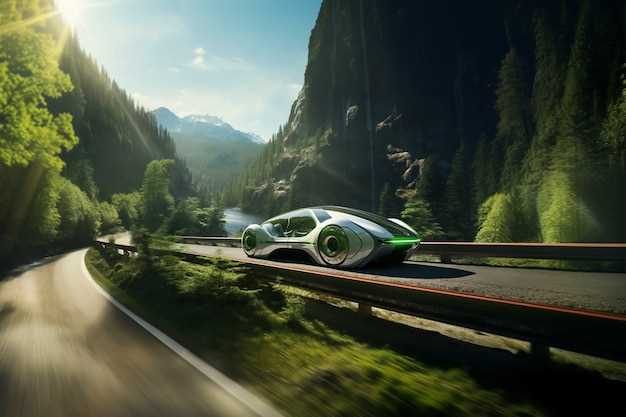
Audi’s recognition at the 2025 World Car Design Awards highlights several key features that distinguish its approach to automotive design. First and foremost is their commitment to integrating cutting-edge technology into aesthetics. Audi utilizes advanced materials and innovative manufacturing techniques that not only enhance the visual appeal but also improve performance and sustainability.
The design philosophy embraces a minimalist yet bold aesthetic, characterized by clean lines and a distinctive silhouette. This approach ensures that Audi vehicles exude elegance while remaining instantly recognizable on the road. The iconic Singleframe grille serves as a focal point, reinforcing brand identity and offering a striking front appearance that captivates viewers.
Another significant feature is Audi’s attention to aerodynamics. Each model is crafted with precision to minimize drag, thereby enhancing fuel efficiency and overall performance. This functional aspect of design exemplifies how aesthetics and engineering can coexist harmoniously.
Moreover, interior design plays a crucial role in Audi’s success. The focus on user-centric layouts ensures a seamless driver experience, with intuitive interfaces and high-quality materials that elevate comfort and luxury. Customization options allow owners to personalize their vehicles, further enhancing the unique value proposition of Audi cars.
Finally, Audi’s commitment to sustainable design practices showcases their forward-thinking approach. By integrating eco-friendly materials and manufacturing processes, the brand not only adheres to modern environmental standards but also appeals to a growing market of environmentally conscious consumers. The combination of these features firmly positions Audi as a leader in innovative automotive design, making it a deserving recipient of prestigious awards in the industry.
Impact of Audi’s Design Philosophy on Future Models
Audi’s design philosophy has set a benchmark in the automotive industry, significantly influencing future models through a blend of innovation and aesthetics. The company’s commitment to clean lines, aerodynamic shapes, and minimalist interiors highlights its focus on both functionality and elegance. This philosophy resonates well with consumers who seek a modern, sophisticated driving experience.
The recent recognition of Audi with the 2025 World Car Design Award underscores the effectiveness of its design approach. Winning such prestigious awards reinforces the brand’s reputation for excellence, pushing it to further explore avant-garde design concepts. This recognition also drives competition, prompting other manufacturers to elevate their design strategies to keep pace.
Future models are likely to reflect Audi’s intention to integrate sustainable materials and advanced technologies into their design language. By embracing eco-friendly practices, Audi not only enhances its environmental responsibility but also meets the growing consumer demand for sustainable products. This dual focus on sustainability and cutting-edge design positions Audi as a leader in innovation.
Moreover, as the automotive landscape evolves towards electrification, Audi’s design philosophy will adapt to accommodate the unique needs of electric vehicles. The shift will involve rethinking vehicle proportions, cabin spaces, and user interfaces, ensuring that future models remain both sustainable and stylish. The seamless integration of technology and design will create an intuitive driving environment that enhances user experience.
In conclusion, Audi’s design philosophy does not merely enhance its immediate offerings but also shapes the future of automotive design. The impact of this philosophy is expected to resonate in subsequent models, pushing the boundaries of creativity and functionality while continuing to capture the essence of luxury and performance.
Comparison of Audi’s Design with Competitors in the Industry

Audi’s design philosophy emphasizes a harmonious blend of elegance and functionality, characterized by clean lines, distinctive lighting elements, and a futuristic yet timeless aesthetic. This approach sets Audi apart from competitors such as BMW and Mercedes-Benz, who tend to focus more on sporty and aggressive designs. While BMW’s design language leans towards dynamic and aggressive profiles, Audi maintains a more understated sophistication, appealing to consumers seeking luxury without ostentation.
Another key aspect of Audi’s design is its commitment to cohesive branding across its model range. The use of the Singleframe grille and the characteristic LED lighting creates a recognizable identity that resonates with consumers globally. In contrast, Volvo emphasizes safety and Scandinavian minimalism in its designs, often incorporating natural materials and a simpler aesthetic that aims for a different emotional connection with its audience.
When it comes to interior design, Audi showcases a seamless integration of technology and comfort. The Virtual Cockpit is a prime example, enhancing user experience through intuitive interfaces and high-quality materials. Competitors like Lexus, known for their opulent interiors, focus on luxury but sometimes at the cost of user-centric design. Audi’s user interface stands out by balancing technology with ease of use, ensuring that drivers are not overwhelmed but rather empowered.
Furthermore, as the automotive industry increasingly shifts toward sustainability, Audi is also leading the way with its designs for electric vehicles. The e-tron series exemplifies a forward-thinking design that marries aerodynamic efficiency with modern aesthetics. Companies like Tesla, while innovative and known for their minimalist designs, often sacrifice traditional luxury elements for a more tech-centric feel. Audi manages to blend both, appealing to eco-conscious consumers who still value luxury and craftsmanship.
In conclusion, Audi’s design successfully differentiates itself through a combination of sophistication, user-focused technology, and a commitment to sustainability. This strategic focus allows it to compete effectively against major players in the automotive industry while continuously evolving to meet the demands of modern consumers.