
Audi Brake Maintenance – What You Need to Know

Proper brake maintenance is essential for the safety and performance of your Audi. The braking system is one of the most critical components of your vehicle, ensuring that you can stop effectively and safely in all driving conditions. Regular attention to your brakes not only enhances performance but also extends the lifespan of various components, reducing the risk of costly repairs.
Understanding how your Audi’s brakes function is crucial for effective maintenance. Audi vehicles typically feature advanced braking systems that require specific care to maintain their efficiency. From checking brake fluid levels to inspecting the condition of the pads and rotors, being proactive in brake maintenance helps prevent unexpected brake failure and ensures a smooth driving experience.
This article will provide you with essential tips and guidelines for maintaining your Audi brakes. Whether you are a seasoned Audi owner or new to the brand, these straightforward maintenance practices will empower you to take control of your vehicle’s braking system, ensuring safety and optimal performance on the road.
Choosing the Right Audi Brake Pads for Optimal Performance
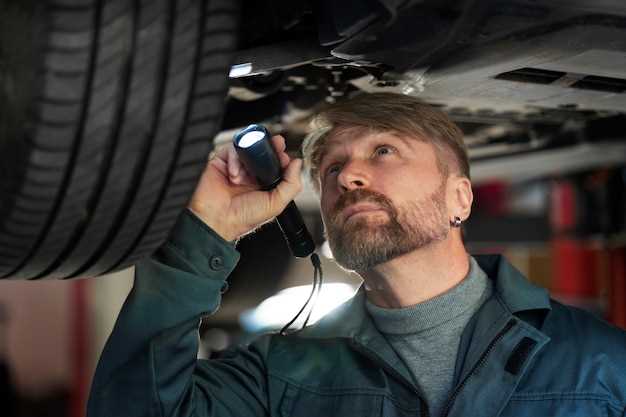
Selecting the appropriate brake pads for your Audi is crucial for ensuring optimal performance and safety on the road. Quality brake pads enhance stopping power, reduce noise, and improve overall driving experience. When considering your options, keep the following factors in mind.
1. Material Composition: Brake pads come in various materials, including organic, semi-metallic, and ceramic. Organic pads are quieter and provide a smooth feel but may wear out faster. Semi-metallic pads offer excellent performance and durability, suitable for varied driving conditions. Ceramic pads deliver low noise and dust production, making them ideal for everyday use.
2. Driving Style: Your driving habits impact the choice of brake pads significantly. For aggressive driving and frequent high-speed stops, consider pads designed for high-performance applications. If you mainly drive in the city or under normal conditions, standard pads may suffice.
3. Compatibility: Always ensure that the brake pads you choose are compatible with your specific Audi model. Refer to your owner’s manual or consult with a qualified Audi service professional to confirm the correct specifications.
4. Brand Reputation: Opt for reputable brands that specialize in Audi brake components. Trusted manufacturers often provide warranties and guarantees, ensuring the reliability and durability of their products.
5. Installation: Proper installation of brake pads is vital for performance. Although some may choose to perform DIY installations, seeking professional Audi service can ensure that the pads are installed correctly and that the braking system is functioning optimally.
By taking these factors into account, you can select the right brake pads that not only enhance the safety and performance of your Audi but also contribute to a more enjoyable driving experience.
Identifying Signs of Brake Wear and When to Replace
Regular maintenance is crucial for ensuring the safety and performance of your Audi. One of the most important aspects of this maintenance is monitoring the condition of your brakes. Identifying signs of brake wear early can prevent more extensive damage and maintain your vehicle’s safety.
One of the most obvious indicators of brake wear is a squeaking or squealing noise when you apply the brakes. This sound often indicates that the brake pads have worn down to the metal, which can lead to further damage if not addressed promptly. Additionally, if you hear a grinding noise, this suggests that the brake pads have completely worn out, and the calipers are making contact with the rotor, necessitating immediate service.
Vibrations or pulsations in the brake pedal while applying the brakes can also signal wear. This could indicate warped rotors, which may occur due to excessive heat or uneven wear. If you experience these sensations, it’s essential to have your Audi checked by a professional technician to assess the condition of the braking system.
Another sign to watch for is decreased braking responsiveness. If your Audi requires more distance to stop or if the pedal feels soft or spongy, this could indicate issues with the brake fluid, air in the brake lines, or worn components, all of which require immediate attention.
Visual inspections can also reveal the need for brake replacement. If you can see that the brake pads have less than a quarter-inch of material left, it’s time to consider replacing them. Additionally, check for any signs of leakage around the brake components, as this could suggest a problem with the brake fluid system.
In summary, being attuned to these signs of brake wear and seeking timely service can extend the life of your braking system and ensure your Audi remains safe and enjoyable to drive. Always consult with a qualified technician for a detailed inspection if any of these signs appear.
Steps for Proper Brake Fluid Maintenance in Audi Vehicles
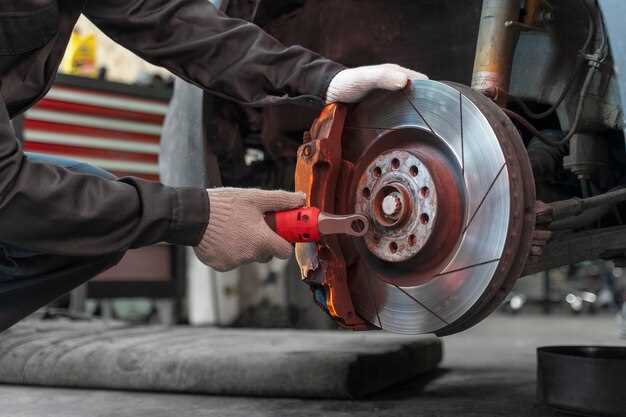
Regular brake fluid maintenance is essential for the safety and performance of your Audi. Follow these steps to ensure optimal brake functionality.
1. Check Brake Fluid Level: Begin by locating the brake fluid reservoir, usually found near the back of the engine bay. Ensure the fluid level is within the recommended range, indicated by markings on the reservoir. If the level is low, top it up with the correct type of brake fluid specified for your Audi.
2. Inspect for Contamination: Brake fluid can absorb moisture over time, leading to corrosion and reduced performance. Check the fluid for discoloration or cloudiness. If the fluid appears dirty or contaminated, it’s time for a complete flush.
3. Flush the Brake Fluid: It is recommended to flush the brake fluid every 2 years or as specified in your Audi’s maintenance schedule. To do this, attach a brake bleeder kit or have a professional perform the flush, ensuring all old fluid is removed and replaced with fresh fluid.
4. Bleed the Brakes: After flushing, bleed the brakes to remove any air bubbles from the hydraulic system. Start from the furthest brake from the master cylinder and work your way to the nearest. This step is crucial for maintaining brake responsiveness.
5. Monitor Brake Performance: After maintenance, pay attention to any changes in brake feel or responsiveness. If you notice any issues, have your Audi inspected by a qualified technician. Regular maintenance is key to ensuring safety and reliability.
By following these steps for brake fluid maintenance, you can help your Audi’s braking system operate efficiently, enhancing both performance and safety on the road.